
Picking a pool cleaner might not sound like a big decision until you find yourself battling cloudy water, stuck-on debris, or clogged filters week after week. You’ll spend hours skimming leaves, brushing walls, and checking filters, only to be frustrated when the water still doesn’t look right. The best pool cleaner can take most of that work off your plate. The trick is finding one that actually does the job well and fits how you use your pool.
An inground pool cleaner can help keep water clear and balanced, but with so many types out there, it’s easy to feel lost. Robotic? Suction-side? Or should you just stick with the manual vacuum? Each type has strengths and weaknesses, and the best pool cleaner for you often depends on your schedule, pool setup, and how much debris ends up in your water throughout the week. If you’re feeling stuck, you’re far from alone. That’s why understanding the differences really helps.
Manual vs. Automatic Pool Cleaners
When it comes to finding the best pool cleaner, most people start with one simple choice: manual or automatic. Each one does the same basic job of removing dirt, debris, and algae, but they use very different methods and come with different demands.
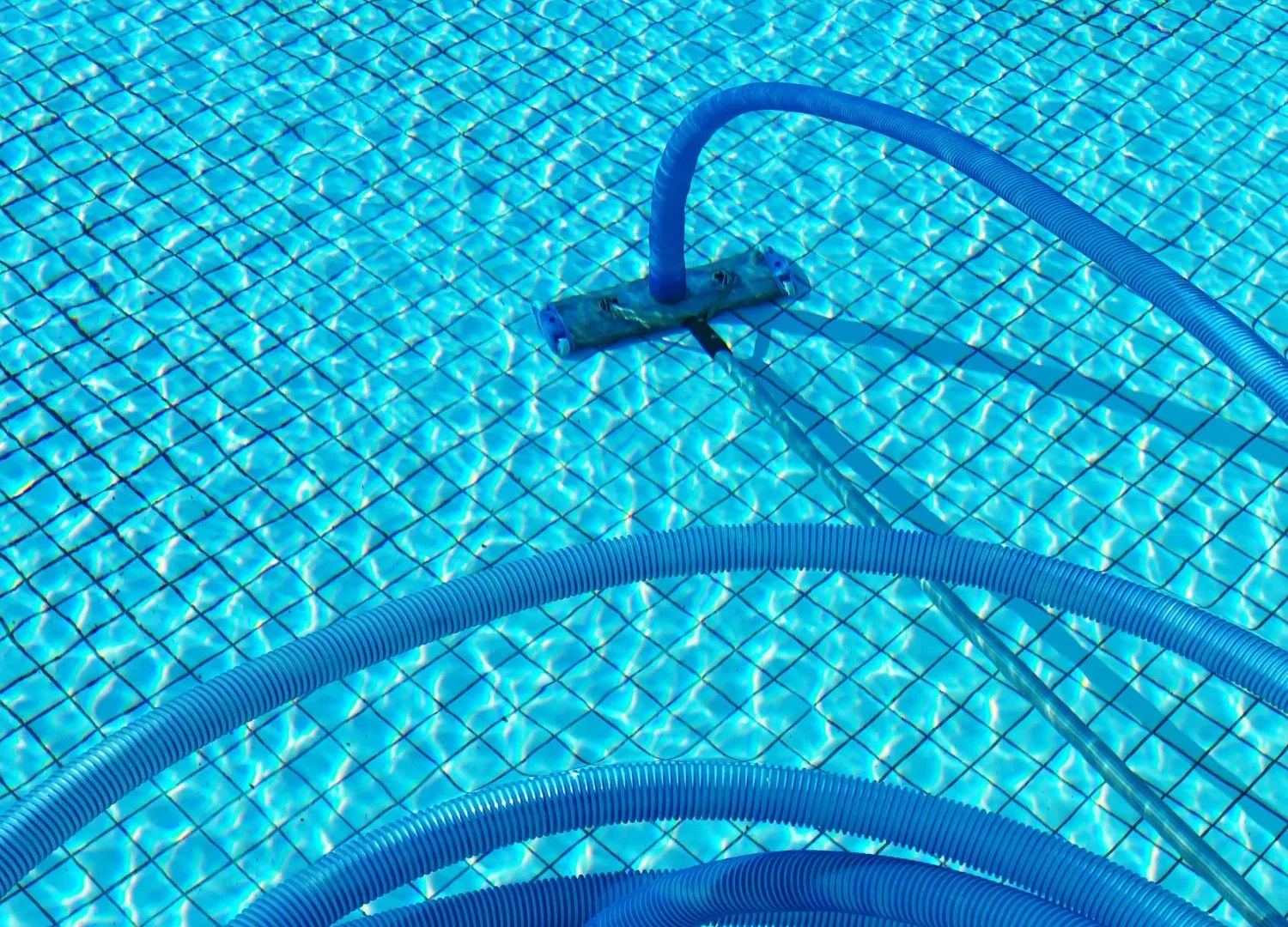
Manual pool cleaners are exactly what they sound like. You steer the vacuum head by hand, usually using a telescoping pole, and the suction draws debris into your pool’s filtration system. This works well for small pools or if you enjoy handling maintenance yourself on a regular schedule. A few things to expect with manual options:
– Low upfront cost
– Basic tools available at most pool stores
– Time-consuming process
– Fully dependent on your time and energy
On the flip side, automatic pool cleaners are built to ease your workload. These handy tools move around the pool on their own, taking care of cleaning tasks and sometimes even scrubbing along the way. They’re a solid choice for pool owners with busy lives or inconsistent cleaning routines.
Automatic pool cleaners come in a few types, but overall, they usually offer:
– Hands-off day-to-day cleaning
– Consistent performance
– A higher initial price
– Some models may need extra equipment or use more electricity
If your time is limited or you just want consistent results without regular effort, automatic may be the right way to go. But there are different kinds of automatic pool cleaners, so let’s look at what sets them apart.
Types of Automatic Pool Cleaners
Once you decide to go automatic, the next step is choosing between robotic, suction-side, and pressure-side cleaners. Each one has a specific way of doing the job and works better under certain conditions.
Robotic pool cleaners act as self-contained cleaning machines. They plug into an outdoor electrical outlet and run separately from your pool’s regular pump or filter. You just drop one in, turn it on, and off it goes. These cleaners are known for smart navigation, strong scrubbing ability, and having their own filters for collecting debris. Robotic cleaners are often the best pool cleaner for pools with odd shapes or those exposed to lots of leaves and dirt.
Suction-side pool cleaners attach to your existing pool filtration system. Using the vacuum power provided by your pool’s pump, they crawl along the bottom and sides, pulling in smaller debris. These are typically more affordable, which makes them appealing for budget-minded owners. Just know that they may strain your filtration system a bit more and might not be as effective with larger debris.
Pressure-side pool cleaners work using the water pressure from a dedicated booster pump to move around. They collect debris in a net or bag attached to the cleaner, so all that dirt doesn’t go into your main filter. These are a great choice if your pool sees a lot of big leaves or outdoor debris, but they often require a booster pump, which adds to the cost and setup.
Each one has benefits, but also trade-offs. Knowing your pool’s needs is how you pick the best pool cleaner for it.
Key Features to Look for in a Pool Cleaner
No matter what type of pool cleaner you like, quality matters. Think about these features as you decide which one will do the best job for your situation:
– Durability and build quality: Choose something built to last under outdoor conditions and daily use. Materials should be solid enough to handle your pool surface without wearing down quickly.
– Efficient cleaning pattern: A pool cleaner that moves with purpose will cover more ground and miss fewer spots. Look for ones with reliable navigation or coverage features.
– Ease of maintenance: You don’t want to waste time taking apart a cleaner just to get it ready for the next use. Simple removal of debris bags or easy-to-replace brushes makes a big difference in long-term upkeep.
– Energy efficiency: This is especially important for robotic or pressure-side models. If a pool cleaner uses less electricity, it can help bring down your power bill over time. Suction-side and pressure-side cleaners also lean on your pump, so an energy-efficient variable-speed pump can add to the savings.
These features provide a balance between good performance and smart long-term investment. Take stock of how often you use the pool and how much cleaning it needs to guide your decision.
Choosing the Best Pool Cleaner for Your Needs
Finding the right pool cleaner involves balancing budget, time, and how your pool is used. Start with pool size and shape. If you have a smaller pool, a less advanced model may get the job done. For large or odd-shaped pools, models with programmed paths or smart movement will help avoid missed spots.
Next comes the budget question. Don’t just focus on how much it costs up front. Think about what you’ll spend on energy, repairs, or even replacement in a couple of years. A more expensive model might be cheaper in the long run if it saves you on effort or electricity.
Pay attention to debris levels too. Are there trees nearby that drop leaves daily? Does fine dust settle in overnight? The best pool cleaner for you is one that can handle your unique issues. Certain cleaners do better with large leaves, while others are better at filtering tiny particles.
Of course, you don’t have to figure it all out alone. True Light Pools can help match you with the best cleaner and make sure it stays in great shape year-round.

Make Pool Cleaning Easy with Expert Help
Choosing the right pool cleaner makes a big difference in how much time you spend working on your pool instead of enjoying it. Whether you go with a manual, robotic, suction-side, or pressure-side cleaner, matching the model to your pool type and schedule is what really counts.
Take time to weigh options like power use, durability, features, and shape compatibility. If you’re still unsure or your situation feels too specific for a one-size-fits-all solution, getting help from professionals who know pools inside and out can save time and trouble.
Keeping your pool clean should feel like part of the fun, not another weekend task. With some smart choices and a little help, your pool can stay clean, clear, and ready for your next swim.
Selecting the best pool cleaner makes a big difference in keeping your pool sparkling and ready for use. Whether you need something for everyday maintenance or special conditions, understanding your options helps. Curious about how you can simplify your pool upkeep even more? Explore how our expert services can enhance the performance of your chosen inground pool cleaner and keep your pool in top shape. Trust True Light Pools to bring ease and expertise to your pool care needs.
Factors to Consider When Choosing a Pool Cleaner
Picking the right pool cleaner means knowing your pool — its size, shape, and features — and how you use it day to day. Here’s what matters most when making a choice:
– Pool size and shape: Larger pools may need a cleaner with better coverage, stronger suction, or smart programming. Irregular shapes or deep ends can make navigation tougher, so cleaners with advanced mapping or long cords are more helpful.
– Filtration system compatibility: Some cleaners require booster pumps, while others rely on your existing system. Suction-side options connect through the skimmer, and pressure-side ones may need upgrades to your return lines. Make sure your current setup matches the cleaner’s needs.
– Ease of use and storage: Look at the weight of the cleaner, hose length, and how easy it is to clean out filters or bags. A robotic cleaner might need more up-front cost, but it lets you skip setup every time and can be controlled with a simple app or button.
– Debris type: Are you mainly dealing with fine dirt or bigger stuff like leaves and acorns? Some cleaners handle silt really well, while others are better at tackling clumps and larger debris.
– Cleaning schedule: If you don’t swim every day or often travel, look for a model that can be programmed or launched on a timer. Automatic cleaners shine here since you can plug them in and walk away.
An example worth thinking about is a family pool surrounded by trees. In that case, the best pool cleaner is often a pressure-side model with extra storage capacity for leaves, which would handle the job better than a suction-based model that might clog frequently. Knowing details like these can save you from wasting time and money on the wrong equipment.
Popular Inground Pool Cleaner Features
When shopping for an inground pool cleaner, keep an eye out for features that can improve ease of use and make cleaning more efficient. Some models today come with smart navigation systems. These systems help the cleaner map out the pool, making sure it covers every inch without retracing steps unnecessarily. This saves time and gets the job done faster.
Energy efficiency is another helpful trait. Pool cleaners that use less power can still give strong results, cutting down on utility costs over time. Models with built-in energy-saving modes are worth considering if long-term savings are a priority.
Some cleaners now offer extra tools that give more flexibility. Remote control features let you guide the cleaner to a specific spot, while programmable timers let you schedule cleanings ahead of time. These features make routine upkeep easier and let the cleaner do the work even when you’re not home.
Matching the Right Cleaner to Your Pool Layout
No two pools are built the same, and that plays a big part in how well cleaners work. Some setups have tight curves or ledges that are hard to reach. Others have deep ends, benches, or shallow tanning shelves that regular cleaners miss.
• Wide pools with shallow areas may need a cleaner that handles both depth and wide floor coverage
• Curved edges, sloped bottoms, or stairs can be a problem for some models that stay flat or don’t climb well
• Smooth plaster or pebble finishes hold dirt differently and might call for certain brush types
When the layout doesn’t match the machine, we often end up going back over missed patches ourselves. That costs more time and doesn’t keep the water moving as it should. Taking stock of your pool’s shape before buying or replacing a cleaner helps you avoid all of that.
How Weather and Spring Conditions Affect Cleaning Needs
Early spring in Central Texas is unpredictable. Warmer afternoons push more pollen into the air, and wind brings in leaves and dust. Even when the water looks clear, these tiny pieces floating in the surface layer start building up fast.
• Bugs and pollen collect mostly on the surface, so it helps to think about surface-cleaning ability
• Early algae growth starts once water rises above the mid-60s, especially in shady areas
• Organic buildup causes cloudy water if it’s not pulled through filters or stirred by regular cleaning
All that makes this stretch an active one for daily buildup. If things sit too long, it takes longer to get the water clear again. A cleaner that moves consistently, stirs the water, and doesn’t skip surface spots will ease that early-season load so you’re not catching up in April.