
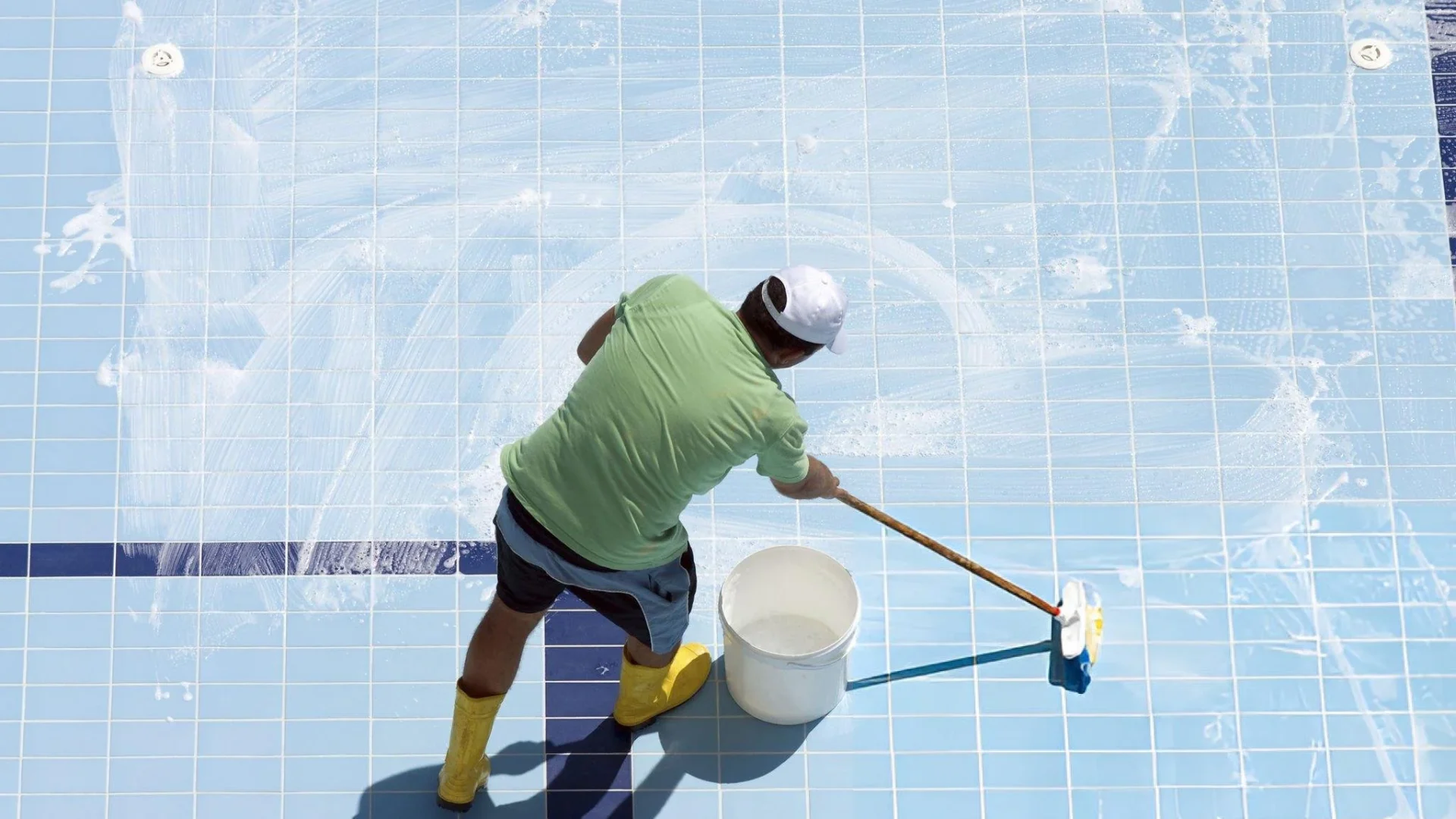
No matter how clean your pool water is, dull or stained tiles can make the whole pool feel neglected. Over time, tile buildup, grime, and discoloration tend to sneak in, especially if pool upkeep slips down the priority list. Pool tile cleaning isn’t just about looks, though. It also protects the surfaces that help your pool last longer and run smoothly.
Keeping your pool tiles in good shape means less work in the long run. When pool tile cleaning becomes routine, the pool looks better, feels more inviting, and stays safer for swimmers. Whether you’re noticing white residue on the waterline or your tiles look a little off-color, staying on top of it helps you avoid expensive fixes later.
Regular Pool Tile Care and Maintenance
Just like your kitchen or bathroom tiles, pool tiles need routine care to stop stains and scale before they set in. The more often you check in on your pool tiles, the easier it is to stop problems early.
Here’s how to keep those tiles looking fresh:
1. Brush the tile line weekly. Use a soft brush made for pools to rub away algae and mineral deposits along the waterline.
2. Skim and vacuum regularly. This keeps debris from settling and rubbing against the tiles, which can scratch or dull them over time.
3. Keep your water balanced. When pH or calcium levels are off, they can lead to scale or corrosion around your tiles.
4. Rinse your pool deck often. Dirt and dust can blow into the water and cling to the tile edge.
5. Avoid abrasive tools. Steel brushes and heavy-duty scrubbing pads can damage tiles and remove glaze.
Making these steps part of your regular pool tile care helps stop buildup before it becomes a bigger issue. One homeowner we worked with set a reminder on their phone to lightly scrub the tile line every Saturday morning. It took them just ten minutes each week, and their pool tiles kept their shine all summer long.
Identifying and Addressing Common Issues
Pool tiles are exposed to water, sun, chemicals, and everything swimmers bring in with them like sunscreen and body oils. These all contribute to common tile problems that, if not spotted early, can spread fast and make cleanup harder.
Here are a few issues to watch out for:
– White or gray film: This is usually calcium buildup. It forms when calcium levels in the water are too high or not well-balanced with other chemicals.
– Green streaks or slippery areas: Algae often grows near the waterline, especially in areas where water doesn’t circulate well.
– Brown or black stains: These may come from metals in the pool water or nearby planting soil that’s gotten into the water.
You might also see tiles looking faded or cloudy. That can mean the glaze has worn thin from chemical exposure or harsh scrubbing. Cracks or loose tiles around the edge of your pool could point to water getting behind the tile, which can damage the surface underneath. For loose or cracked tiles, our pool tile service can help.
Good pool tile care means spotting these things early, which keeps problems from spreading and costing more down the line. When in doubt, a closer inspection by a trained eye might be the best move to catch something you didn’t even know to look for.
Effective Cleaning Techniques
When it comes to pool tile care, using the right cleaning methods can make all the difference. Choose tools that are designed for pool surfaces. Soft nylon brushes help scrub away deposits without scratching the tiles. You might also try a pool-specific tile cleaner for stubborn spots. These are usually formulated to break down calcium and other residues without damaging surfaces.
Eco-friendly cleaning products are another strong option. They’re gentle on the environment and safe for swimmers while still being effective against grime and algae. Look for natural-based cleaners, but make sure they’re intended for pool use before adding them to your water. Eco-friendly pool tile care doesn’t mean compromising on safety or results.
Regular pool tile care with the right cleaning supplies keeps tiles looking their best. A homeowner we helped used a gentle, vinegar-based cleaner from their local pool store and noticed a big drop in mineral buildup. They also liked that it was safe for their small kids who loved to play in the water. Not only does effective cleaning preserve your pool’s shine, it can make swimming more enjoyable too.
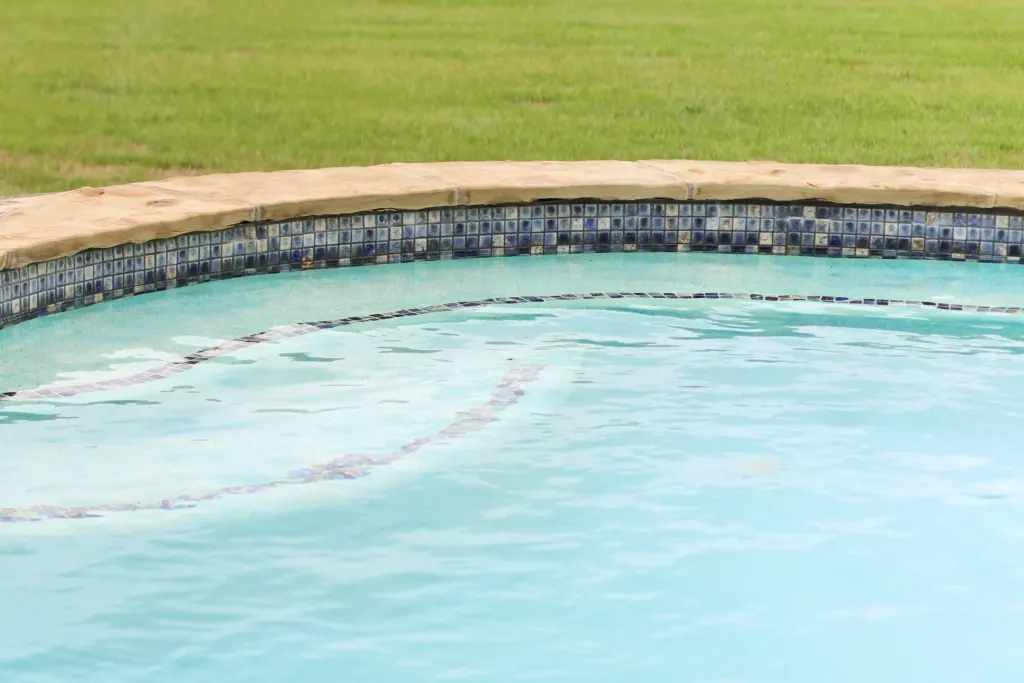
Professional Swimming Pool Tile Cleaning Services
Even with steady pool tile care at home, sometimes it’s best to call in the pros. Professional pool tile care goes deeper than what’s possible with just brushes and household cleaners. They use specialized tools and high-grade solutions that lift off buildup without harming the tiles or grout.
Hiring experienced professionals means more than just spotless tiles. You also get the benefit of trained eyes that can spot problems before they become big repairs. Little issues like hairline cracks, loose grout, or damaged edges are easy to miss on your own. Professionals can catch them early, saving you hassle and money later on.
So when your water line looks hazy, or scrubbing doesn’t bring back that sparkle, it might be time to schedule a professional service. These experts can refresh your pool and give you peace of mind that everything’s in good shape. That way, you can spend less time cleaning and more time enjoying clear, beautiful water.
Keeping Your Pool Tiles Pristine
Consistent pool tile care between professional cleanings is the trick to making sure your tiles stay in great shape. Little habits done often make a big difference. Keeping buildup at bay helps tiles last longer and prevents small problems from turning into major ones.
Here’s what you can do between deep cleanings:
1. Dry off tiles and grout after use. Reducing moisture helps stop residue from forming.
2. Introduce a mid-week skim. If you use your pool frequently, skimming debris midweek keeps it from settling.
3. Use a mild cleaning spray when needed. A quick spray can stop small stains from becoming permanent.
4. Regularly check tile surfaces. Fixing small chips or loose spots early keeps things from getting worse.
Adding these easy pool tile care steps to your weekly routine keeps your pool looking fresh and ready for use. Just like you’d wipe down the countertops or sweep your floors, a little touch-up here makes pool tile care more manageable. With regular attention and support from professionals, your tiles can stay bright and easy to maintain all season long.
If you’re ready to enjoy the full benefits of beautifully maintained pool tiles, take a closer look at our swimming pool tile cleaning services. True Light Pools is here to keep your pool looking its best, giving you a sparkling and welcoming space for your family and guests to enjoy. Reach out to us today and see how a professional touch can make regular pool upkeep easier and more effective.
Common Signs Of Pool Tile Problems
Pool tile problems often creep up over time. It might start with a tiny crack or a stained section by the waterline. If ignored, that small issue can grow into something more serious. Here are the most common signs to watch for:
– Cracked or chipped tiles: These may not seem urgent, but water can seep behind them and affect the structure underneath.
– Faded colors: Tiles exposed to sun and chemicals might lose their brightness. This makes your pool look aged and less inviting.
– Loose or missing tiles: These can become sharp or slippery hazards for swimmers and are often a sign of more tiles loosening soon.
– Mold or algae on tile edges: This is often more than surface dirt. It can point to improper water balance or damaged grout allowing moisture in.
This part of pool tile care isn’t difficult. A quick walk around the edge or a look while skimming can often reveal what’s going on. If you notice something starting to change, getting it looked at early can save you trouble later.
Preventative Measures To Avoid Future Tile Issues
It’s always better to stop problems before they get started. Preventive pool tile care is the most effective and cost-friendly way to keep your tiles in shape long term. Here’s how you can stay ahead:
– Stick to a regular pool tile care schedule. Consistent care helps you catch and deal with problems early.
– Use high-quality materials from the start. If you’re building or upgrading your pool, invest in strong tile and grout that’s meant to hold up in pool conditions.
– Balance your water. Keep chemical levels where they should be. Improper balance affects more than just tiles – it can hurt every part of your pool.
– Schedule professional checkups. Even if everything seems fine, having a professional give your pool a once-over can uncover detail issues you might miss.
These simple steps can help your pool hold up over time. A little effort now pays off big in fewer repairs and better-looking tiles later.