
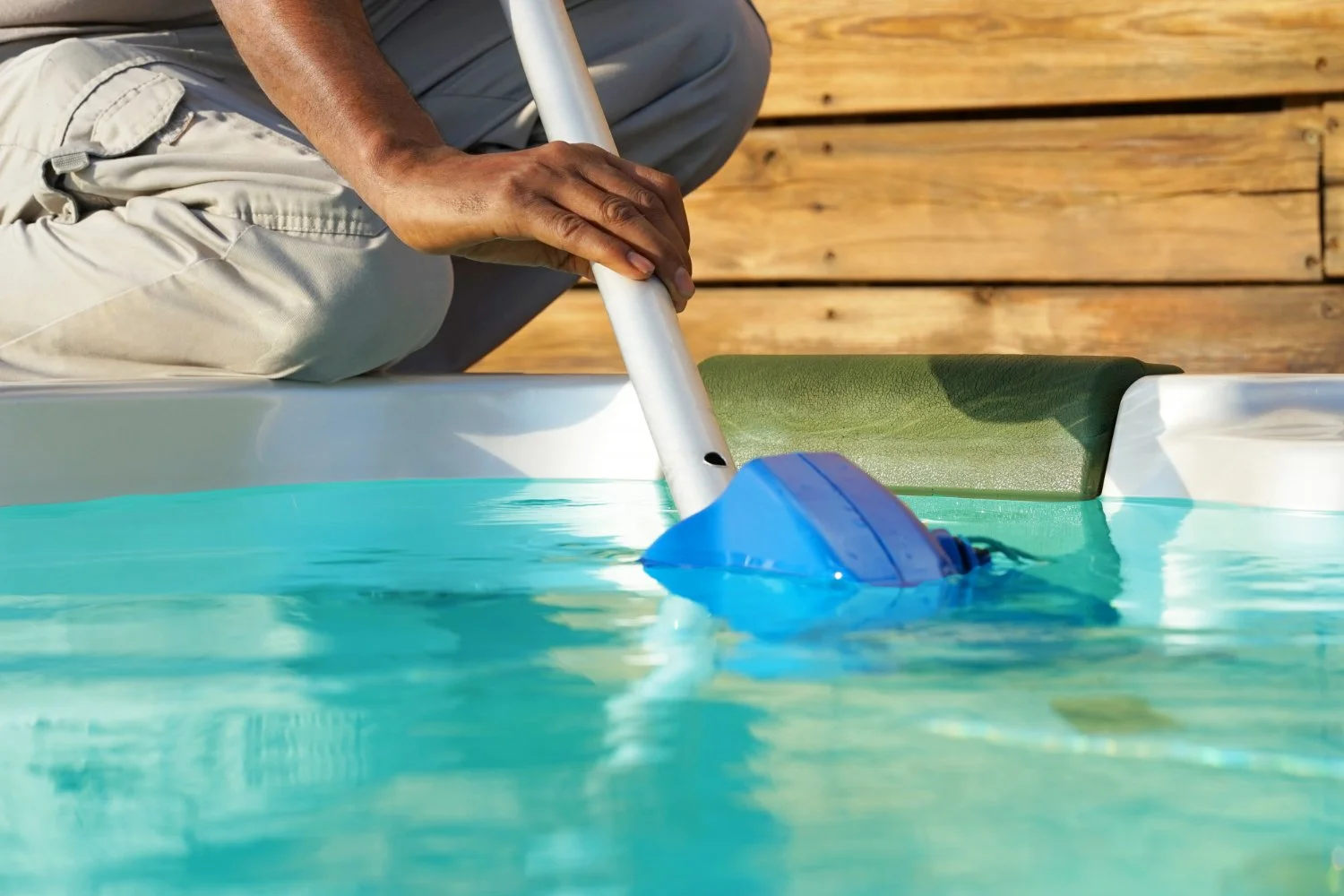
Even when no one is swimming, a pool still needs regular attention. Winter might seem like a slow time for maintenance, but skipping pool freeze protection and cold weather pool care can quietly cause problems. When equipment runs less and the temperature drops, small issues can add up fast. Homeowners sometimes think they can take a break from pool care this time of year, but that mindset can lead to damage that makes spring startup harder and more expensive.
As a pool cleaning company, we know cold weather pool care means checking much more than the water’s surface. Anyone can scoop out a few leaves, but protecting your pool during the off-season takes more than cleaning out the skimmer. There are systems running year-round that need watching, no matter the season.
Winter Water Chemistry Checks
Cold weather doesn’t stop chemical imbalances from hurting your pool. If the pH or chlorine level drifts too far, the water can slowly wear down your surfaces, piping, or equipment. It may not be obvious now, but it’ll show later in the form of stains, scale, or cloudy water.
Water quality keeps your pool healthy, and that doesn’t change just because it’s winter. Here’s what we keep an eye on:
• pH levels, which help prevent scale build-up on tile and inside the plumbing
• Chlorine levels, which need to be just right to stop slow algae growth during warm winter stretches
• Alkalinity, which affects how stable the entire water balance stays over time
Even with less sun and fewer swimmers, regular testing keeps these values steady so problems stay small and manageable. Cold or not, water needs balance to stay clean and safe.
Equipment Function and Safety Checks
Winter may bring fewer pool hours, but equipment still runs. Filters, heaters, and pumps all work harder when it gets cold, especially during light freezes like we sometimes get in Texas. When temperatures drop quickly and bounce back the next day, it puts stress on seals, lines, and hardware that were doing fine in August.
These are times when something small, like a loose seal or clogged impeller, can turn into broken equipment. That’s why cold weather pool care includes checking systems a little more carefully. Things we look for include:
• Cracked or brittle pump lids and seals
• Filters struggling to keep pressure or flow stable
• Heaters not responding to temperature changes properly
By catching those early signs, we can stop a frustrating repair or shutdown before it happens. That kind of cold weather pool care saves time and helps keep the overall system running smoothly through winter.
When needed, True Light Pools can provide filter replacement, pump servicing, and heater repairs tailored to Texas winter conditions.
Skimmer and Drain Line Monitoring
Leaves, dirt, and small twigs don’t take the winter off. Even if your pool is covered, enough debris can still find its way in, especially after wind or rain. This build-up often starts in skimmers and drains, which are easy to miss during winter since the pool isn’t in use.
We make sure these spots are cleared out so that water can move easily through the system. It’s one of the easiest ways to avoid stress on pumps and cut back on circulation problems later on.
When we check skimmers and drains, we look for:
• Leaf build-up that could block flow
• Signs of slow draining or backflow, which can point to clogging
• Cracks or leaks that may form in cold weather
Ignoring these areas in winter lets gunk settle in, harden, and cause trouble in early spring. A few minutes each visit keeps water moving and reduces repair risk later.
Cover, Tile, and Surface Condition
Pool covers do a lot of heavy lifting during winter, but cold weather pool care means checking them too. If a strap slips, a corner tears, or water starts to pool on top, the cover may start doing more harm than good. The surface under it can grow mold, trap dirt, or allow rain to wash stuff in.
We also keep an eye on tile lines and visible surfaces. Over time, these areas can start to show signs of trouble if dirt or chemicals begin to build up slowly.
Here’s what we watch during surface checks:
• Cover fit and wear, so the water stays protected
• Loose or chipped tiles along the waterline
• Algae or scale starting to form on plaster or tile
With the kind of mixed weather winter brings to places like Bryan and Navasota, you need to protect the pool from both moisture and wind at the same time. A quick walkaround is all it takes to spot early changes.
Winter Adjustment of Timers and Settings
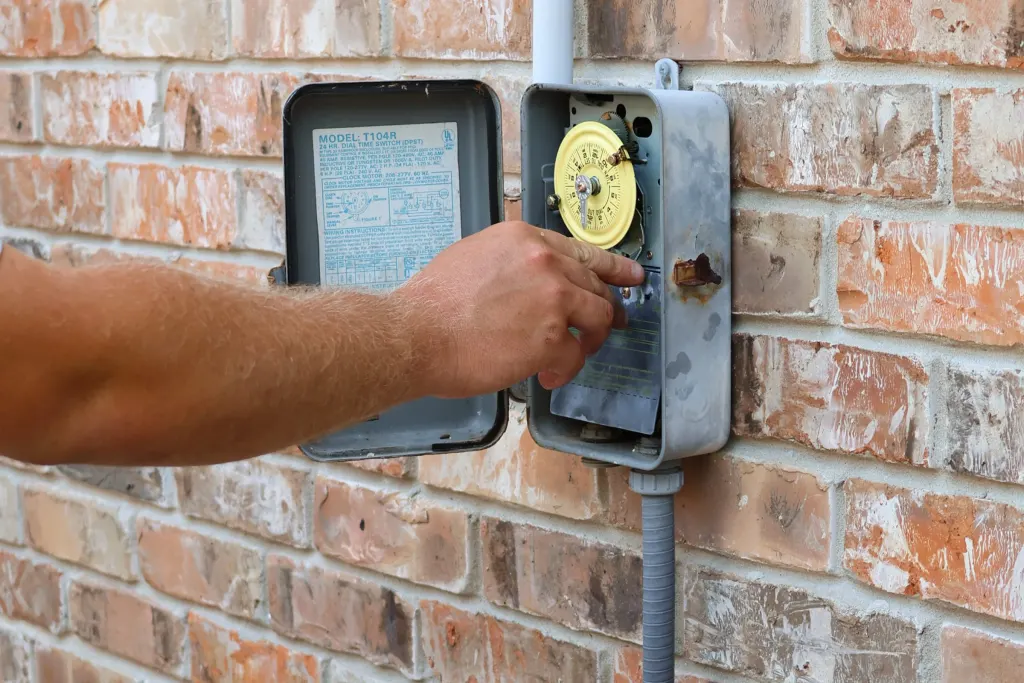
Pool timers and settings aren’t something most people think about once it’s cold out. But they’re one of those behind-the-scenes details that keep everything from freezing over. As outside temps shift, we make small adjustments to the circulation schedule to keep water moving.
Water that sits still too long risks freezing or growing cloudy, even if it doesn’t look bad right away. Pumps that don’t run at the right time might fail during a cold snap.
Here’s how we adjust things when winter hits:
• Set timers so systems run during the coldest parts of the night
• Bump runtime up slightly after heavy rains or freezes
• Make sure pool freeze protection features are active and working
These simple tweaks keep flow consistent and protect the plumbing. Just a few hours a day is often enough, but only if those hours are chosen carefully.
True Light Pools brings experience from serving Brazos Valley homes since 2016, helping local pool owners with cold weather pool care for winters that range from mild to severe.
Why Cold Weather Pool Care is Worth It
Taking steps to safeguard your pool in the colder months pays off once warm weather returns. Proper cold weather pool care reduces the risk of major repairs, cuts back on chemical expenses, and keeps start-up simple in the spring.
By working with an experienced team familiar with local Texas weather, you know your equipment, surfaces, and water chemistry are in reliable hands through every season.
Spring is the perfect time to make sure your pool is ready for the warmer months ahead. Skipping quick maintenance checks now can lead to bigger repair costs down the road. At True Light Pools, we help homeowners in the Brazos Valley enjoy peace of mind and crystal-clear water all year long. Partner with a trusted pool cleaning company that pays attention to the details, give us a call today to schedule your next pool check-in.
Pool Freeze Protection: Preventing Freezing Water Damage
If temperatures reach freezing and your pool system isn’t prepared, you could be dealing with cracked pipes, damaged filters, or a broken pump before the season ends. When water freezes inside pool plumbing or equipment, it expands. That pressure builds in areas like underground lines, filter housings, or pump seals. One cold snap could leave you with hundreds of dollars in repairs simply because water couldn’t drain or move freely.
Some pumps have built-in pool freeze protection modes, but not all are equipped. And even if yours does, a power outage or timer mishap could still create problems. It’s important to double-check that your system is ready for colder nights.
Simple steps like these can go a long way:
– Let the pump run during below-freezing temperatures to keep water moving
– Keep the water level steady to help maintain proper circulation
– Use insulated or fitted pool covers to hold heat and block debris
– Remove any excess water from pipes and hoses that won’t be used
Doing nothing during a freeze could leave your equipment with small cracks that turn into big leaks after a season or two. Regularly checking both your pump system and plumbing lines during winter keeps those surprises at bay.
Algae Growth
It might feel safe to ignore algae in the winter, but a dormant-looking pool doesn’t always mean it’s clean. Algae can still bloom when chemical levels aren’t balanced, especially if the pool pump runs less often or sits idle. Cloudy patches or green-tinted water in spring is often the result of algae that built up through the colder months.
Even if your pool is covered, winter rain, leaves, and dirt can throw off the water balance. Cold temperatures slow down algae, but they don’t stop it completely. Any time sanitizer levels fall too low, there’s a risk algae will begin to grow again.
To help prevent algae from taking hold:
– Brush the pool walls and floor every couple of weeks during winter
– Test chlorine, pH, and alkalinity levels at least once a month
– Add a winter algaecide before the cold sets in
– Make sure your pool cover is tight and free of standing water
The less movement and care your pool water gets in winter, the more likely it is algae will settle in quietly. Keeping up with small pool care steps can save your future self some major work come spring.
Why Winter Damage Happens to Pools
Cold snaps can be rough on pools, especially when the water systems aren’t running like they do in summer. Even just a few nights of freezing weather can shift water levels and pressure enough to trouble filters or pipes. Some of the most common causes of off-season pool damage include:
• Freezing temperatures that expand water left inside pipes or plumbing lines
• Wind and rain bringing leaves, sticks, and debris that clog or stain surfaces
• Slower water circulation, which can create a chance for algae or bacterial growth, even in chilly water
When there’s less sun and the pool isn’t being used, it’s easy to forget there’s a system still running underneath. But water freezes, and debris adds up, whether you’re using the pool or not.
Key Areas Swimming Pool Service Focuses on During Winter
Even though pool use is lower in winter, regular service helps keep everything balanced and working correctly. We tackle a few main areas during the colder months to prevent problems before they start.
• Skimmer baskets and lines are checked and emptied to stop clogs. Frozen waste or packed leaves can put pressure on skimmers and increase the risk of cracks.
• Pumps, filters, and heaters are looked over to see if they’re under stress or showing signs of wear. Broken seals, loose parts, or slow pressure might look minor now but lead to major spring delays.
• Water levels and chemical balance are still important. Even if you’re not swimming, the water needs to stay clean and stable. If it drops too low or gets too weak chemically, you’re at risk for surface stains or bacteria growth.
It doesn’t take long for a missed step to cause damage, especially when the weather takes a turn overnight. Consistent cold weather pool care protects the pool even when it’s off your radar.