Keep Shared Pools Safe, Clean, and Always Open
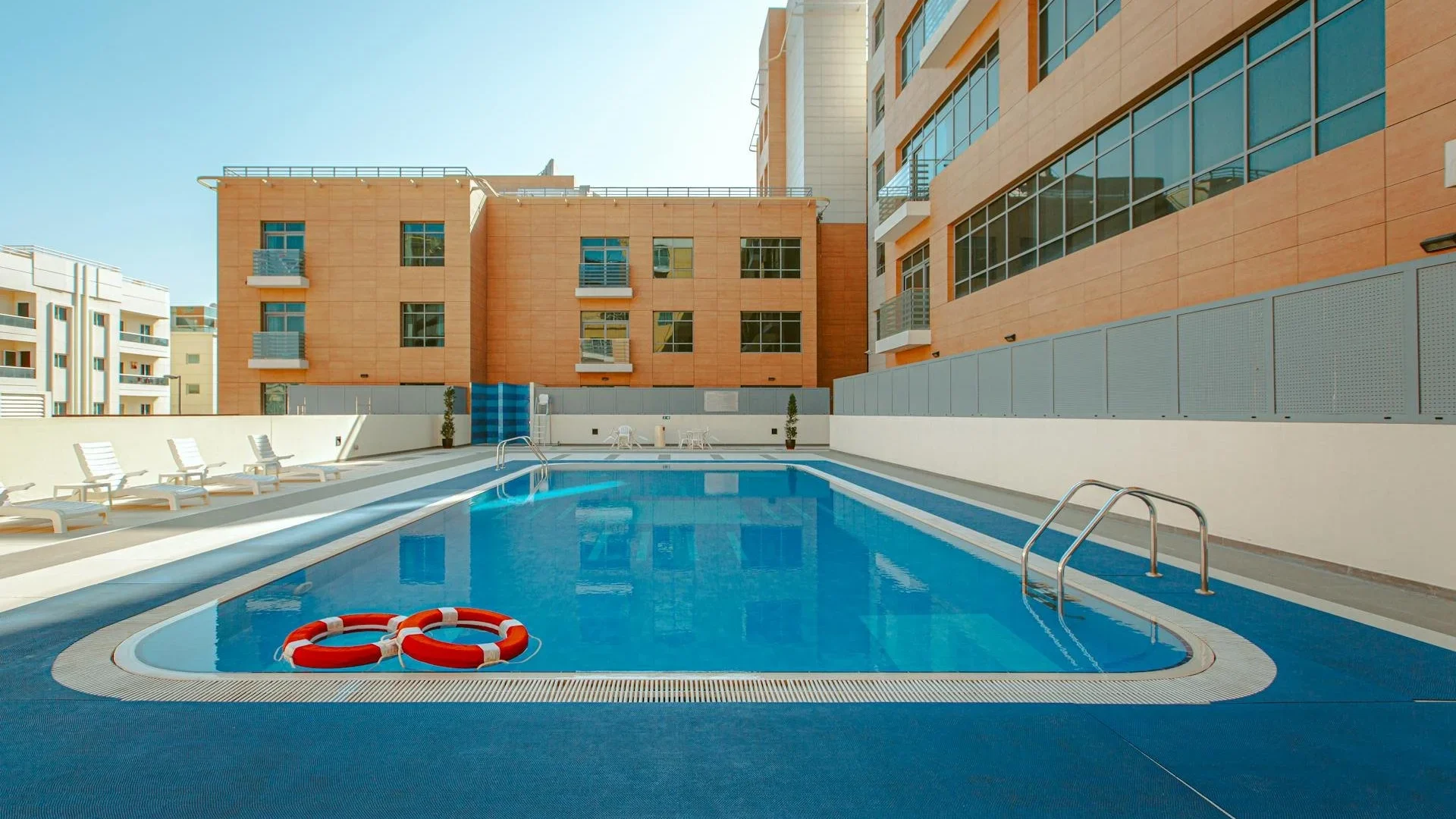
Apartment and HOA pools get busy fast in Bryan, College Station, and North Houston as warm weather settles in. Kids are out of school more, days are longer, and people want to relax by the water. When the pool looks bright and clear, it feels like the heart of the community.
A clean, open pool is more than a nice extra. It affects resident happiness, online reviews, and how many people renew their lease or stay in the neighborhood. If the pool keeps closing or looks cloudy, people talk about it. If it is sparkling and ready every day, they talk about that too.
Professional commercial pool cleaning services are the base that keeps that water safe and clear. With the right team watching the pool, you cut down on surprise closures, algae, and complaints. In our area, apartments, HOAs, and community pools in Bryan, College Station, North Houston, and Spring, TX lean on local pros who understand how hard these pools work.
Why Apartment and HOA Pools Need a Different Approach
A backyard pool and a shared community pool do not live the same life. Apartment and HOA pools see many more swimmers and a whole lot more stuff in the water.
High bather loads bring in things like:
-
Sunscreen and lotions
-
Sweat and body oils
-
Dirt and grass from feet
-
Hair products and makeup
All of this puts a heavy load on the water chemistry. The balance can swing quickly when the pool is busy. Without frequent testing and careful adjustments, you can see:
-
Cloudy or dull water
-
Algae starting on steps and walls
-
Strong chlorine odor from stressed water
-
Buildup in filters and on pool surfaces
There are also safety and liability concerns. Property managers have to think about:
-
Chlorine that is too low or too high
-
pH that stings eyes or irritates skin
-
Slippery decks that cause falls
-
Broken or missing safety equipment
If the water is not safe or codes are missed, that can lead to complaints, insurance issues, or worse, injuries. Regular, well-documented commercial pool cleaning services help show boards, owners, and regulators that you are taking care of your pool correctly.
Reputation plays a big part too. When residents see:
-
Green or cloudy water
-
Gates chained shut with “Pool Closed” signs
-
Strong smells or dirty tile
they may post online, warn friends, or decide not to renew. On the other hand, a pool that is almost always open, looks clear, and feels good to swim in becomes a true selling point. It helps keep occupancy higher and keeps people proud of where they live.
Health and Safety Essentials for High-Use Community Pools
Healthy water starts with proper chemistry. For shared pools, that means keeping a steady handle on:
-
Chlorine or other sanitizer levels
-
pH balance
-
Total alkalinity
-
Calcium hardness
These basics help keep the water clear, comfortable, and safe for skin and eyes. Regular testing and written records support compliance with Texas public pool rules, which matter a lot for apartment and HOA pools, where many families swim daily. Children and seniors often feel the effects of poor balance first, so keeping numbers in range is extra important in community spaces.
Crowded pools can also spread recreational water illnesses when the water is not cared for correctly. Germs can pass more easily when:
-
Filtration is weak or not running long enough
-
Circulation is poor in corners and shallow areas
-
Shock treatments are skipped or delayed
Professional technicians who service apartment and HOA pools watch for early warning signs like sudden cloudiness, unusual smells, or algae in shady spots. They can correct problems before they turn into health issues or extended shutdowns.
Safety is not just in the water; it is all around the pool too. A safe pool area usually includes:
-
Non-slip deck surfaces and regular cleaning
-
Self-closing, self-latching gates
-
Clear and accurate depth markers
Equipment checks are just as important for apartment and HOA pools. Drains, skimmer covers, and main drains need to be in good working order to help prevent entrapment. Ladders, handrails, and lighting should be secure and solid, especially for busy evening hours when visibility is lower.
How Commercial Pool Cleaning Services Protect Your Property
Commercial pool cleaning services are built for the constant demand of apartment and HOA pools. A solid routine usually includes:
-
Skimming leaves and debris
-
Brushing walls, steps, and tile
-
Vacuuming the floor
-
Backwashing or cleaning filters
-
Testing and balancing chemicals
The schedule is not one-size-fits-all. It should be customized around peak use times, like weekends, holidays, and school breaks. When a pro is on site often, they can spot small leaks, noisy pumps, or weak flow before they become big problems that close the pool.
Good care also protects your investment. Proper water balance helps:
-
Plaster, tile, vinyl, and decking last longer
-
Metal parts resist stains and corrosion
-
Surfaces stay smoother and more comfortable
Routine maintenance on pumps, filters, and heaters lowers the risk of sudden breakdowns and energy waste. When repairs are needed, planning them during quieter times of day or slower days of the week can reduce disruption for residents.
Clear records matter as well. Detailed service logs give HOA boards and property managers:
-
Proof of regular cleaning and testing
-
Notes on any issues found and corrected
-
A history that supports planning and budgeting
When one professional provider handles everything, it becomes easier to keep track of who does what, when, and why.
Strategies for Warm-Weather Pool Season in Texas
The early warm-weather period is the perfect time to get ahead before apartment and HOA pools get packed. Property managers and boards do well when they:
-
Schedule full inspections before heavy use
-
Plan deep cleanings for surfaces and filters
-
Address green-to-clean needs early if the water was neglected
As the days get longer, water warms and algae can show up fast, especially in humid areas like Spring, TX. Timing chemistry adjustments and cleaning before that jump in use helps prevent those early season blooms and surprise closures.
Bryan, College Station, and North Houston also have unique rhythms. Game-day weekends, holidays, and school breaks can pack apartment and HOA pools from morning to night. During these periods, it often makes sense to:
-
Increase service visits
-
Check sanitizer and pH more often
-
Watch filter pressure and flow closely
Long hot days can stress pumps and filters. Keeping an eye on circulation helps make sure the whole pool, not just parts of it, stays in good shape.
Weather can flip from sunny to stormy quickly in Texas. A single storm can dump:
-
Leaves and branches
-
Dirt and pollen
-
Extra contaminants from runoff
Fast post-storm service clears debris, checks equipment, and resets water chemistry before problems grow. Apartment and HOA pools that already have a commercial pool partner are able to get help faster when storms roll through or when surprise issues show up right before a busy weekend.
Regular Cleaning And Inspections
Routine cleaning isn’t just about skimming leaves off the top. Dirt, body oils, and sunscreen build up quickly in apartment and HOA pools, and the effects show fast when cleaning falls behind. Algae can form in corners or along waterlines, while cloudy water often points to poor filter performance or chemical imbalance. Brushing walls, vacuuming, and scrubbing tile surfaces are all part of keeping the pool clean and looking sharp.
Frequent inspections are just as important. Pool systems are always running behind the scenes, and spotting hidden issues early saves time and money down the line. A quick sweep of the equipment pad weekly might uncover:
– Leaks around the pump or filter connections
– Unusual sounds coming from the motor
– Poor water flow due to a clogged skimmer or pump basket
– Cracks forming around the tile, deck, or coping
When commercial pool use spikes, like during the summer or holiday weekends, daily cleaning needs grow too. Letting things slide not only raises the risk of unsafe water but adds more pressure on equipment already working overtime.
One example we’ve seen is a pool at a small fitness center where low suction was ignored for a week. It turned out a tennis ball had been pulled into the skimmer and was clogging the system. A quick fix when caught early, but left unchecked, it added strain that wore out the motor ahead of schedule. That kind of thing becomes a lot more common when inspections are skipped or rushed.
Putting a set cleaning and inspection schedule into place helps everyone stay on top of what the pool needs and when. Whether handled daily, weekly, or monthly, consistency matters.
Chemical Balance And Water Quality
Getting chemicals right isn’t just about clear water. It’s about keeping the environment safe for everyone who steps in. When chemical levels drift out of range, water can turn irritating, damage equipment, or even spread harmful bacteria. In a business setting, that’s a risk you can’t afford to take.
Tests should check for:
– Chlorine levels: Keeps germs under control
– pH balance: Too high or too low can lead to swimmer discomfort and reduce chlorine’s power
– Alkalinity: Helps stabilize pH
– Calcium hardness: Low levels can corrode surfaces, while high levels can leave scale buildup on tile and equipment
It’s not always obvious when water balance is off. Sometimes all you see is cloudy water, swimmers with itchy skin, or foam forming along the surface. Other times, low chlorine allows algae to bloom faster than expected. Regular testing at least two to three times per week for most commercial pools, including apartment and HOA pools, helps catch problems early.
Heat, sunlight, and pool use all impact chemical levels. A full, busy pool on a hot summer day will burn through chlorine much faster than light use in the evening. Automated chemical feeders and monitoring systems are useful tools, but a trained eye still needs to make sure everything’s working the way it should.
Keeping up with water chemistry doesn’t have to feel like a full-time job. But it does need to be a steady part of the routine. Getting it right helps protect the pool investment, meet health codes, and keep people safe and happy.
Covering and Cleaning the Pool
The right pool cover does more than just keep leaves and rainwater out. It helps reduce evaporation, saves on chemical use, and even protects the equipment. But before you throw a cover over it and forget about the pool until spring, you’ve got to clean it properly.
Debris, dirt, and algae can settle on surfaces and make cleanup harder when the weather warms up. Taking time to vacuum the pool floor, skim the surface, and brush the walls before putting the cover on can make a noticeable difference later.
To help reduce problems:
– Use a cover made for your pool size and shape to get a snug fit
– Clean off your cover regularly so leaves, sticks, and ice don’t pile up
– Pull the cover tight and secure it with water bags or anchors to keep snow and wind from moving it
– Don’t drain your pool all the way. Leave enough water to hold the cover in position and protect structural integrity
Some pool owners overlook properly securing the cover, and then windstorms turn it into a sail. Not only can that let debris in, but it also leads to rips, which means having to buy a new cover altogether. A little attention now to cover placement and pool cleaning goes a long way toward keeping everything protected through winter.
Inspecting and Maintaining Equipment
Winter is a great time to check on your pool equipment. It’s easy to overlook things like pumps, heaters, and filters when they’re not in constant use, but keeping them in good condition saves you from surprises later on. Regular inspections mean you can spot wear and tear before it turns into a major problem.
Here’s a handy checklist to keep your equipment running smoothly:
– Inspect pumps for any leaks or unusual noises
– Clean and backwash filters regularly to maintain flow
– Check electrical connections and ensure equipment is moisture-free
– Lubricate O-rings and moving parts to prevent rust
A facility recently discovered a small pump issue during winter that could have turned into a big leak come spring. By addressing it early, they avoided having to replace the pump entirely. Scheduling professional inspections can help you identify potential problems and ensure everything’s working correctly, setting you up for a trouble-free season. Winter provides the perfect pause to resolve issues without the pressure of immediate use.
Partner with True Light Pools to Keep Your Community Swimming
Well-cared-for apartment and HOA pools stay cleaner, safer, and more reliable for residents. Commercial pool cleaning services support steady water quality, strong equipment, and a pool area that feels ready every day, even when usage is heavy.
Property managers, HOA boards, and building owners can benefit from taking a close look at their current pool program. Gaps in testing, record-keeping, storm response, or equipment checks often show where risk and frustration are hiding.
At True Light Pools, we work with communities across Bryan, College Station, North Houston, and Spring, TX to keep shared pools open and inviting. A thoughtful plan that includes cleaning, green-to-clean treatments when needed, and regular equipment inspections helps your residents enjoy the water with confidence.
Get Started With Your Project Today
If you are ready for a safer, cleaner, and more inviting pool for your guests, our team at True Light Pools is here to help. Explore our commercial pool cleaning services to find a customized plan that fits your facility’s needs and schedule. We will assess your pool, recommend the right maintenance routine, and handle the work so you can stay focused on your business. Reach out today to schedule your first service and see the difference professional care can make.